UNDERSTAND PEOPLE. COMMUNICATE BETTER.
What Is DISC?
DISC is a simple, practical model that helps you understand how people communicate, make decisions, respond to challenges, and interact with others.
The goal is not to put people into four boxes. It is to understand the person in front of you and learn how to connect with them more effectively.
The goal isn't to label people. It's to understand them better.
Explore the Four DISC Styles


Why Do People Respond So Differently?
Have you ever explained something perfectly clearly to one person and gotten exactly the response you expected, only to say virtually the same thing to someone else and watch the conversation fall apart?
The words may have been the same. The people weren't.
We naturally communicate from our own perspective. DISC gives us a practical framework for recognizing that other people may process information, make decisions, and respond very differently than we do.
Different doesn't mean difficult. Different simply means different.
What Does DISC Stand For?
DISC describes four primary behavioral styles. Everyone has all four, but the intensity and combination of those styles create a unique behavioral blend.
D — Driven
Outgoing + Task-Oriented
Focused on results, action, challenges, and getting things done.
I — Inspiring
Outgoing + People-Oriented
Focused on interaction, enthusiasm, recognition, and influencing others.
S — Supportive
Reserved + People-Oriented
Focused on relationships, cooperation, stability, and helping others.
C — Cautious
Reserved + Task-Oriented
Focused on accuracy, quality, information, and doing things correctly.
The Surprisingly Simple Idea Behind DISC
Two basic observations create the four DISC quadrants.
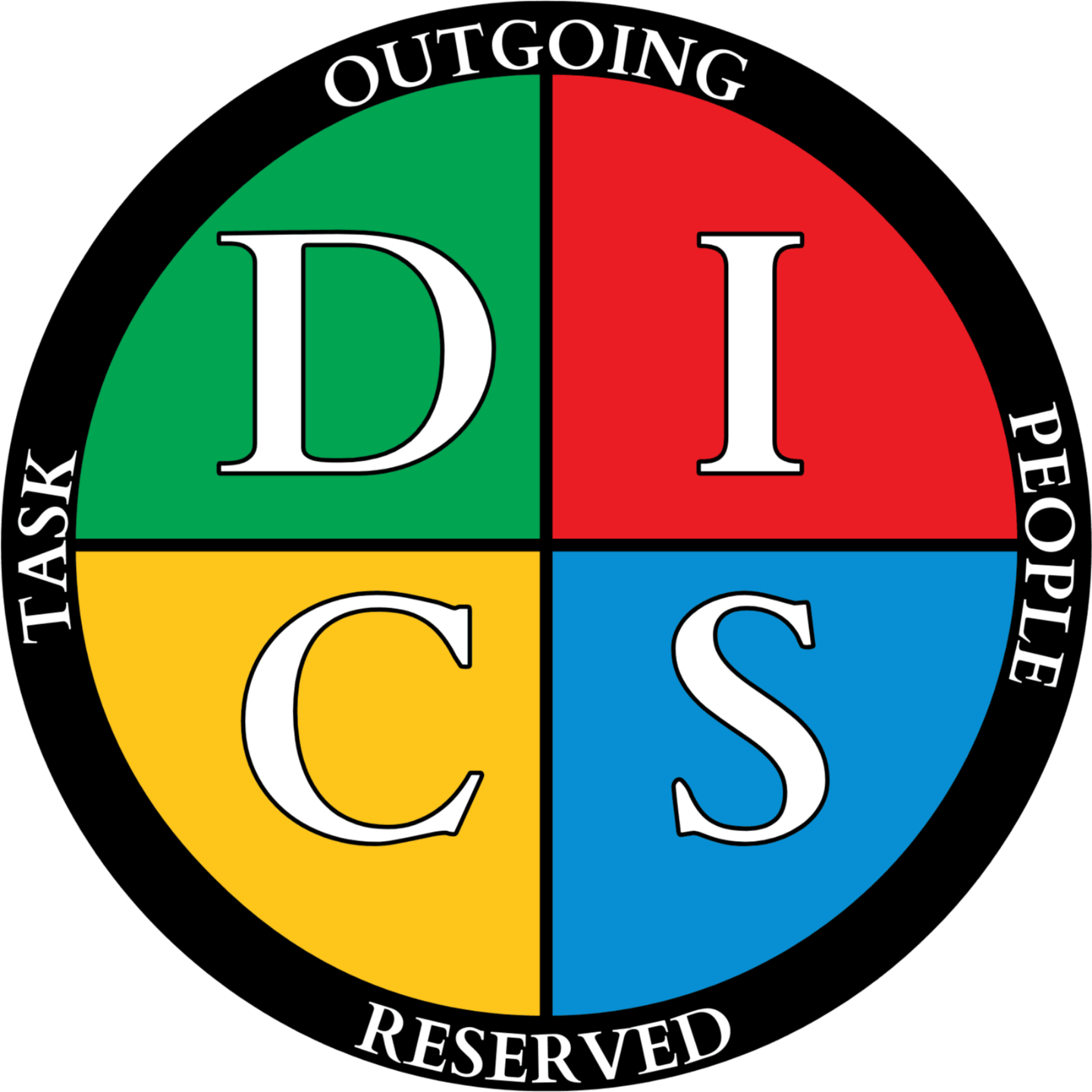
1. Outgoing or Reserved?
This describes a person's natural pace. Some people tend to move quickly, speak readily, and engage outwardly. Others tend to process more internally and move at a more measured pace.
2. Task-Oriented or People-Oriented?
This describes a person's natural priority. Some people instinctively focus first on tasks, results, and accuracy. Others instinctively focus first on people, relationships, and interaction.
What DISC is NOT
DISC is most useful when it helps us understand people without reducing them to a label.
It's not a label.
The purpose is understanding, not stereotyping.
There is no best style.
Every style brings strengths, and every style can have blind spots.
You're not just one letter.
Everyone has all four traits in different amounts, creating an individual blend.
It's not an excuse.
Understanding your natural tendencies should make you more responsible for how you communicate, not less.
You Are More Than One DISC Style
Two people can both score high in Driven and still behave very differently because their Inspiring, Supportive, and Cautious traits may be dramatically different.
Your complete DISC blend includes more than the traits that score highest. Lower traits can be just as meaningful because they reveal strong tendencies in the opposite direction.
DISC becomes considerably more useful when you stop asking, “What letter am I?” and start asking, “What does my complete blend tell me?”
Why Understanding DISC Matters
Knowing the styles is useful. Knowing what to do with that knowledge is where DISC becomes powerful.
Communicate
Understand how different people prefer to receive information.
Connect
Build trust by recognizing what matters to the person in front of you.
Lead
Adjust how you motivate, delegate, coach, and provide feedback.
Sell
Recognize how different customers evaluate information and make decisions.
Resolve Conflict
Understand why two reasonable people may approach the exact same situation differently.
Same Message. Four Different Approaches.
Imagine you need to tell someone, “We need to change the plan.” Adapting the delivery can make a huge difference.
Driven
“We need to make a change. Here's the issue, here's the new direction, and here's the result we're aiming for.”
Inspiring
“I've got an idea for how we can make this even better. Let me show you what I'm thinking.”
Supportive
“We need to make a change, and I want to walk you through why so you know what to expect.”
Cautious
“We need to adjust the plan. Let me show you what changed, why we're changing it, and the information behind the decision.”
Why Learn DISC From Rollins Performance Group?
Learn DISC From People Who Have Spent Years Teaching Others How to Use It
Chris and Melissa Rollins are Executive Master Trainers in the DISC Model of Human Behavior and two of only three Executive Master Trainers worldwide. Through Rollins Performance Group, they help leaders, teams, sales professionals, speakers, trainers, and consultants move beyond simply identifying personality styles to actually using DISC to communicate more effectively.
Our goal is not simply to help you recognize DISC styles. It is to help you use what you recognize.
Where Does DISC Come From?
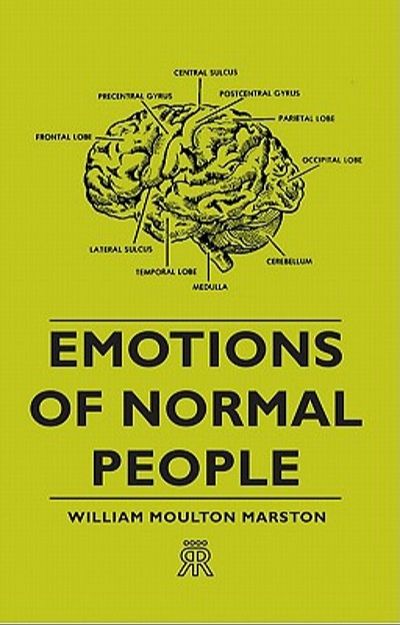
The modern DISC model traces its roots to psychologist William Moulton Marston, who described four patterns of behavioral expression in his 1928 book Emotions of Normal People. Marston did not create the modern DISC assessment. Later researchers and assessment developers built measurement tools influenced by those ideas.
Today, DISC is widely used as a practical framework for understanding observable behavior and improving communication.
DISC Is the Model. An Assessment Is a Tool for Measuring It.
They are connected, but they are not the same thing.
DISC Model
The DISC model is the framework for understanding observable behavioral tendencies and how different people tend to communicate, make decisions, and respond to situations.
You can learn to recognize and apply DISC without ever taking an assessment.
DISC Assessment
A DISC assessment is a measurement tool that helps identify the relative intensity of your four DISC traits and how they combine into your unique behavioral profile.
It gives you a more personalized picture of how your behavioral blend tends to show up.
Where Do You Want to Go Next?
DISC can be useful at several different levels. Choose the path that fits what you want to accomplish.
Understand Your Own Style
Explore professional DISC assessments and discover your unique blend.
Bring DISC to Your Organization
Use DISC training to strengthen communication, leadership, teamwork, and sales.
Become DISC Certified
Learn to professionally apply and teach the DISC Model of Human Behavior.