
7 Techniques to Sharpen Your Interpersonal Communication Skills
Becoming an expert in the subjects needed for your profession is great. A doctor needs to excel in biology. A scientist needs to excel in chemistry. An accountant should not only be good at math but also needs to have a solid working knowledge of current tax laws as well.
While each type of profession has unique areas where mastery is required, there is one common subject that will help you achieve more success in your life, both personally and professionally: Communication. To excel in all aspects of life, you need to be an expert in the art of communication.
You may think this is easier said than done, or maybe it's just not for you, but let me assure you that if you hone your communication skills and sharpen them with these seven techniques, you will see results. When you are communicating in a one-on-one setting, enhancing and sharpening these skills are critical to becoming known as a master communicator.
Consider the following techniques and work to improve on them when communicating with others:
1. Use the appropriate amount of eye contact.

- There is a fine line between too much and too little eye contact. You will be perceived as submissive or apathetic if you don't have enough eye contact. People will view you as aggressive if you have too much eye contact. Finding the middle ground allows people to perceive you favorably.
- A good rule of thumb is to maintain eye contact while one of you is speaking. Be sure to intentionally break eye contact when there is more than a moment of silence. This allows the other person to process their thoughts without feeling like you are rushing them. Breaking eye contact allows them to consider their current thoughts without having an awkward feeling of silence. Now, avoid the cardinal sin of looking at your phone. This action screams, "I'm not engaged!" Instead, consider a quick glance up over their head. This implies you are giving thought as well.
- If keeping eye contact is difficult for you, think of it as studying the other person's eyes. What is their eye color? You would probably be very surprised at how many people can't even tell you the eye color of someone they just finished a long conversation with. Demonstrating genuine interest in the other person as they share is a powerful way to establish a strong connection. Surprisingly, this can significantly reduce any anxiety you may be experiencing as well.
2. Become a better listener.
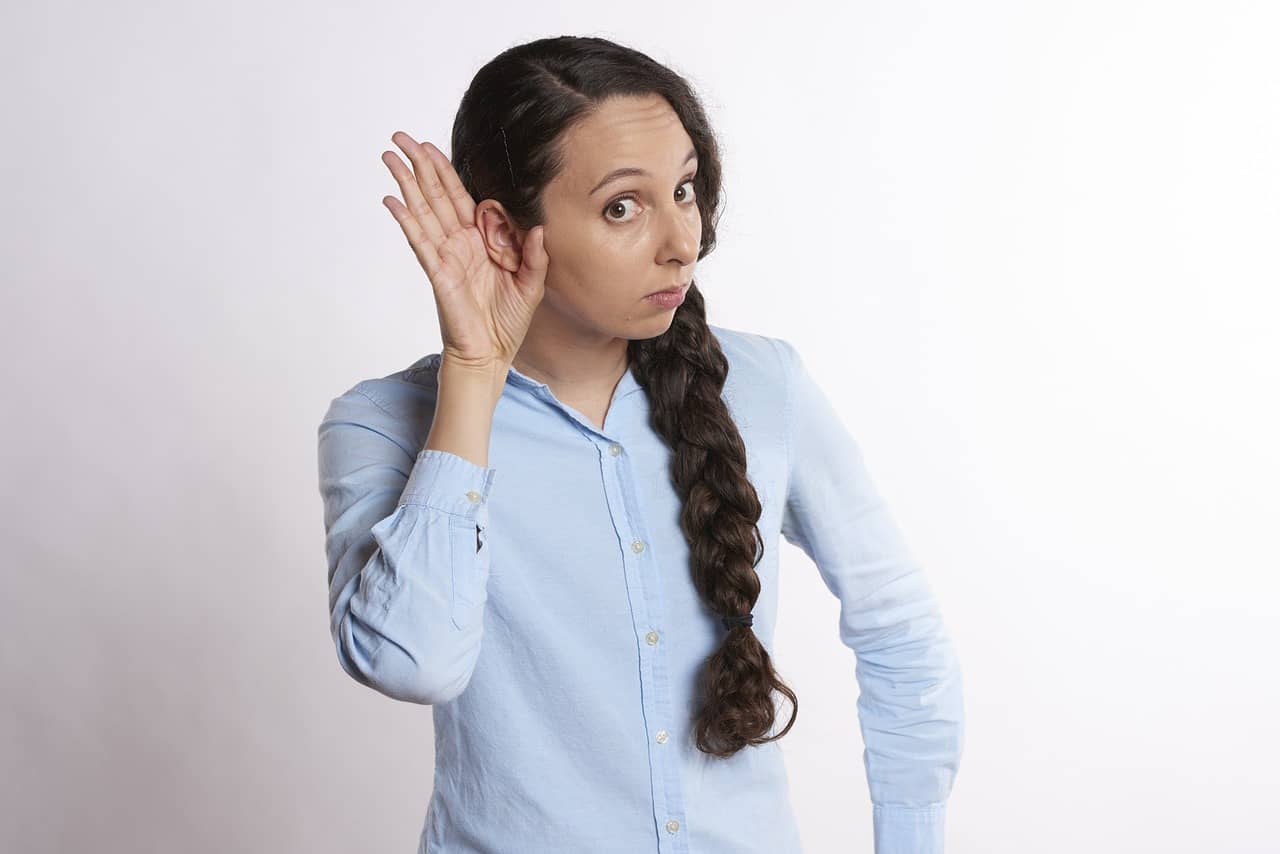
- Great communication skills involve more than demonstrating that you have the "gift of gab." In fact, people who focus more on talking than listening are often considered some of the worst communicators. Want to be recognized as a truly great communicator? Then, you need to develop the skills to become a great listener. There is an old saying There are so few people interested in truly listening to another person that you’ll really stand out! Eye contact is part of being a good listener.
- We've all been there: you're in a meeting, exchange words with the person next to you, and then realize that he or she is still talking. Wait until the other individual has finished speaking before saying anything. Interrupting anyone is never a good idea because it makes them feel like you don't value what they have to say.
- Give your complete attention. This is more than simply keeping eye contact. It's impossible to pay full attention to someone while thinking about something else. Maintain your focus on the person you're speaking with. As Stephen Covey once said, "Most people do not listen with the intent to understand; they listen with the intent to reply." You will stand out as a great conversationalist when you demonstrate to the other person that your full attention is on them.
3. Practice using open-ended questions.

- Open-ended questions help to keep a conversation going by providing more information for the other person to respond to.
- Good open-ended questions require more than a simple "yes" or "no" answer... and they encourage the other person to explain themselves.
- Answering questions with a one-word answer yourself can make it difficult to keep the conversation going. Practice explaining yourself when asked a question in a thoughtful yet concise manner. It will help encourage the other person to open up as well.
- Be patient when you ask an open-ended question. Don't expect someone to answer your question right away. Allow them time to think about their response. This will give them time to consider a proper response to a question that can help continue a great conversation.
4. Your body language matters. Pay attention to it.

- Body language can be a powerful tool in communication when used effectively. It can help you to come across as open and inviting or closed off and uninterested.
- Pay attention to your body language, and make sure to remain turned and face people while you communicate. Additionally, smile to appear friendly and open. Smiling communicates openness, friendliness, and confidence.
- Keep your arms and legs uncrossed to look open and receptive. While some personality styles are actively paying attention (they are just processing) when they are listening with their arms crossed, it helps to avoid the misperception by others that you are not engaged in the conversation.
5. Know the aim of the discussion.
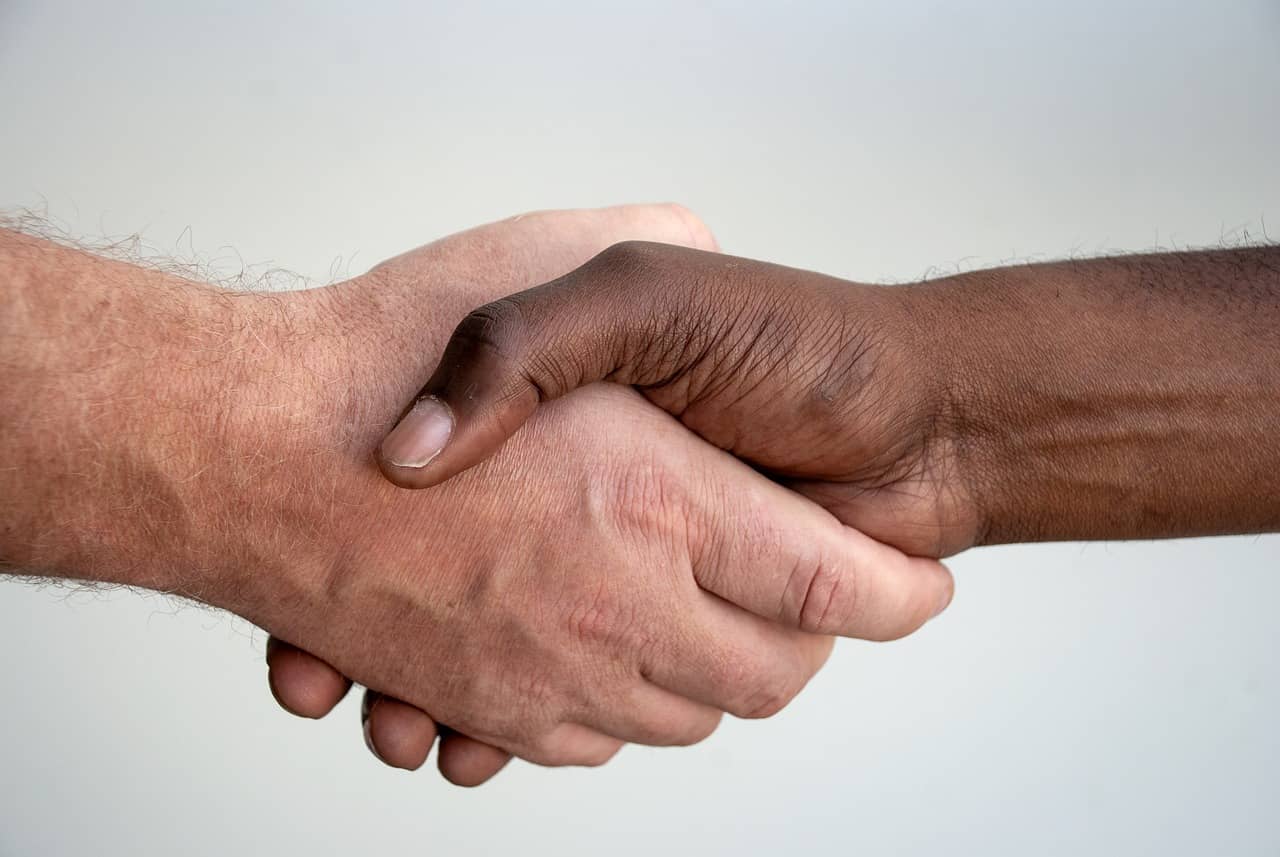
- Ensure you understand the goal of the conversation. A purely social and relaxed conversation can easily flow from one thing to another. However, business discussions or negotiations need to follow a clear pattern in order to achieve the desired outcome.
- If the goal of the discussion is to seek a specific outcome or defined next step, be sure to reference that end goal throughout the conversation, especially if you feel it has steered off-course. This will help gently guide the discussion back on track to achieve the desired end result.
- Keep in mind that the most effective communication occurs when both parties leave the discussion feeling like they were truly heard. How do you accomplish that? Well, that brings us to our final two points.
6. Begin by seeking understanding.

- It's easy to misinterpret what someone is attempting to communicate to you, especially when they have a different communication style than you do. How many times have we all interpreted what someone said, only to have them tell us that what we understood wasn't what they were trying to say at all? We've all been there.
- One of the best methods we can utilize is to ask clarifying questions to gain more understanding as needed. It is easy to fall into the trap of assuming we have enough information and "filling in the gap" on our own, but that often leads to further miscommunication.
- When you believe that you have enough information to ensure that you understand the other person, then it is time to verify that. How? Try asking the other person to allow you to restate what they communicated to you in your own words. This will help them recognize that you are seeking to understand them while also allowing them the opportunity to receive clarification as needed. Rather than telling them what "they said," consider using the phrase "I heard" instead.
7. After you seek understanding, ensure you are understood.
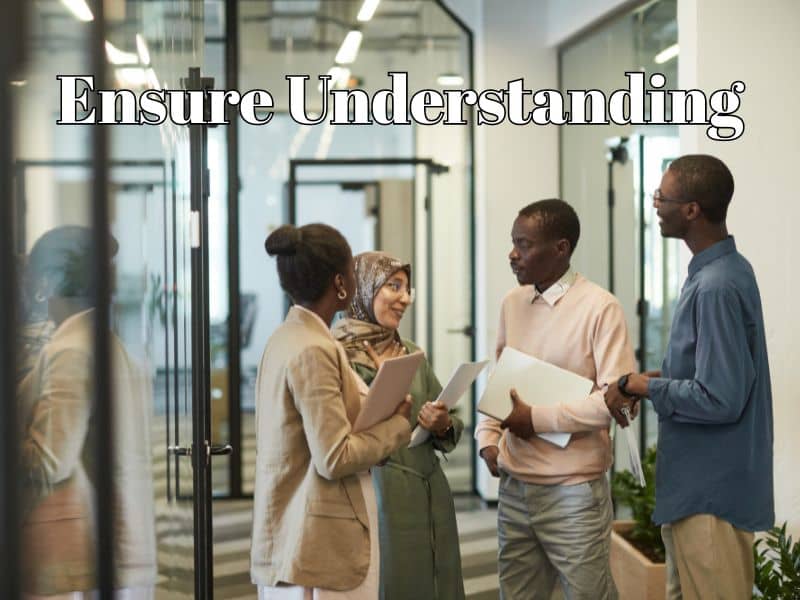
- Always keep in mind that communication does not truly happen until both parties feel that they have been truly heard and understood. As Stephen Covey said, "Seek first to understand, then to be understood." He believed this was so important that it was the 5th habit listed in the "7 Habits of Highly Effective People."
- After you have shared, ask questions that allow the other person to respond and explain what they heard back in their own words. As you practice this, you will find that different people process information differently based on their personality styles. Therefore, what you believed was effectively communicated might not have been to some people until you learn to communicate in a way they can process and understand.
- Keep in mind that true communication requires more than simply understanding the message the other person is conveying. You must also ensure that your intent is clearly understood as well. That last part often requires the most time and effort, but the reward is worth the effort.
What else can I do to improve my communication skills?

- Practicing the techniques mentioned above will help you improve your interpersonal communication skills. If you are a leader or want to become one, developing this skill is one of the most important things you can work on.
- Effective communication requires truly understanding yourself (and how others may naturally perceive you based on your personalized communication style). But it does a step beyond that. You truly can become a leader who communicates in a way that allows your entire team to receive your message positively. That requires intentional effort to ensure you are delivering it correctly.
- Yes, we offer in-person and virtual training options to assist with that. However, one of the most effective tools we typically start with is completing a Leadership DISC assessment. This helps you not only to understand how others may perceive you based on your personality style but also helps you to adapt and communicate with others based on their needs.
- The Leadership assessment is completed online, and while it is not a timed assessment, it can typically be completed in approximately 15-20 minutes. The leadership version includes a 65-page report that is personalized based on your results. You can get yours here and take your assessment today.
Don't miss a beat!
Subscribe now for strategies to Communicate, Connect, and Convert at a higher level.
We hate SPAM. We will never sell your information, for any reason.